Social Justice Ireland appeared before the Committee on Budgetary Oversight to discuss the think-tank’s priorities for Budget 2027: protecting the vulnerable, reform of the taxation system…
Recent increases in the cost of living have highlighted the continued vulnerability of low income households, particularly in relation to essentials goods and services. The Consumer Price Index rose…
A Budget that is serious about addressing child and family poverty, and supporting the most vulnerable households in a cost of living crisis must prioritise benchmarking social welfare rates to…
Cost of living challenges are an issue of adequate income. Households on fixed or low incomes are already fully stretched financially and have endured almost four years of increased costs in the…
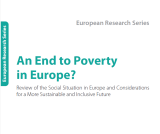
‘An End to Poverty in Europe?’ reviews the social situation in the 27 EU member states and makes some proposals and recommendations for a more sustainable and inclusive future. This report…
The findings of ‘An End to Poverty in Europe’ show that whilst economic trends may present a particular picture, an analysis of social trends across EU Member States shows that the lived experience…
In Ireland, the National Policy Framework for Children and Young People and the commitment to youth participation through structures such as Comhairle na nÓg and the EU Youth Dialogue provide a…
Since 2022, Ireland has experienced a series of energy shocks, resulting in a prolonged spike in energy prices and subsequent knock-on impacts for households and businesses. This has led to a…
This section of our National Social Monitor: The Future Starts Now: Policies for the Next Generation looks briefly at the income distribution issues that impact young people. …
A fitting legacy for this current government would be to complete the work which was started by the commitment to benchmarking in 2007; and deliver a pathway to deliver income adequacy. This…