There are almost 86,000 households identified in the Summary of Social Housing Needs Assessment 2017, almost a quarter of which have been waiting over 7 years, and over 61% have been waiting over…
Government should stop subsidising the Accommodation and Food Services sector and instead should incentivise the kind of jobs that allow workers to achieve a decent standard of living, …
Ireland is a relatively rich country – one of the five richest countries in the world in 2016 according to Fortune Magazine, yet we have a pervasive inequality problem. Ireland’s market…
Coalition 2030, an alliance of over 100 Irish civil society organisations and networks which includes Social Justice Ireland, today expressed concern that Ireland is falling…
Social Justice Ireland enthusiastically welcomes the news that Ireland will become the first country in the world to divest its sovereign wealth fund – the Ireland Strategic Investment…
Ireland's population is getting older. According to CSO population projections, by 2031 almost a quarter of the population will be aged 60 or over. Ireland's housing crisis is well…
This in-depth report examines Government housing policies since the 1980s, which saw a move away from construction of social housing to a more cost-effective outsourcing to the private market and…
While Ireland faces a number of challenges, including deficits in our public services and infrastructure, unacceptable rates of poverty, and high levels of national debt, it is…
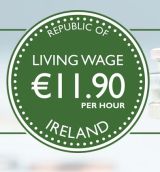
The Living Wage for 2018 has been set at €11.90 per hour by the Living Wage Technical Group, of which Social Justice Ireland is a member. The new rate represents an increase of…
The percentage of people in Ireland living in households where no-one is employed, or where there is only marginal attachment to the labour force, is higher than in most of our European peers. But…