Today, 3rd December, is International Day of Persons with Disabilities. Census figures suggests that 13.5 per cent of the population, or 643,121 people, experience disability. This represented…
The HIV/AIDS epidemic of previous decades has presented governments and development workers, particularly those in the Global South with major challenges. There are currently 30 million people living…
On Wednesday, 17th November 2021, Social Justice Ireland held our Annual Social Policy Conference. This year's Conference was on the theme 'Social Rights for All? Delivering the…
Today, 19th November 2021, will mark Ireland's first Adult Safeguarding Day. According to Safeguarding Ireland, an organisation which promotes safeguarding of vulnerable adults to protect them from…
‘From the Crash to Covid and Beyond’ is the thirteenth publication in Social Justice Ireland’s European Research Series. The data in this report surveys trends between the financial crisis of…
As the Minister for Finance acknowledged in his Budget speech, the past 19 months has been a period of major challenge for the healthcare system with staff, facilities and patients put under enormous…
Our pre-budget submission, 'Budget Choices 2022' contains detailed, fully-costed Budgetary packages across more than a dozen policy areas including health, housing, education, welfare, sustainability…
Our pre-budget submission ‘Budget Choices 2022’ outlines why expenditure will have to rise if the housing strategy, the climate change strategy and the revised national development plan are to…
People should be assured of the required treatment and care in their times of illness and vulnerability. The standard of care is dependent to a great degree on the resources made available, which in turn are dependent on the expectations of society.
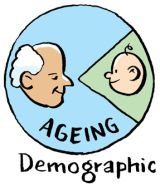
Ireland has an increasingly ageing population and it is imperative, both from the perspective of the individual and the supporting structures, that ageing in place becomes the default approach.