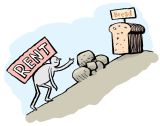
Problems for tenants with the high cost of accommodation as a proportion of their income and arrears on mortgage, rent and utility bills are an indication of the continued social and economic…
Caritas Europa has just published the latest edition of the Caritas CARES report for Ireland. The focus of this edition is on inclusive labour markets and social economy as part of national…
Integration is defined in current Irish policy as the ‘ability to participate to the extent that a person needs and wishes in all of the major components of society without having to relinquish…
It is possible to implement a Basic Income for artists and art workers according to Social Justice Ireland. The Think-Tank’s latest study shows that the Government could honour its…
People should be assured of the treatment and care they need in their times of illness or vulnerability. However, the pandemic has shown that Ireland’s healthcare system fails to deliver that…
Today, 3rd December, is International Day of Persons with Disabilities. Census figures suggests that 13.5 per cent of the population, or 643,121 people, experience disability. This…
The HIV/AIDS epidemic of previous decades has presented governments and development workers, particularly those in the Global South with major challenges. There are currently 30 million people…
Ireland’s lifelong learning participation rate is slowly improving, rising to 13 per cent in 2019. Our national target is to reach 15 per cent by 2025 as set out in the National Skills…
In the Programme for Government, published last year, the Government committed that its "overriding focus is to improve the wellbeing of the Irish people and society". Part of that commitment was…
When the Public Participation Networks were established in 2014, one of the areas they were tasked with was “going through a process to set out what they consider necessary to promote well-being…