The OECD has recently released its Covid-19 Recovery Dashboard, a selection of twenty indicators that aims to monitor the recovery of OECD countries from the pandemic. Spread across four dimensions…
To mark 2022 being the European Year of Youth, Eurostat published the proportion of young people at regional level in the EU. As of the 1st January 2020, 73.6 million people or one out of every 6…
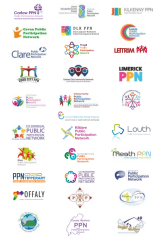
In 2014, the Local Government Act was amended to introduce Public Participation Networks (PPNs). They were set up to provide a mechanism by which citizens can have a greater say in local government…
Problems for tenants with the high cost of accommodation as a proportion of their income and arrears on mortgage, rent and utility bills are an indication of the continued social and economic impact…
Integration is defined in current Irish policy as the ‘ability to participate to the extent that a person needs and wishes in all of the major components of society without having to relinquish his…
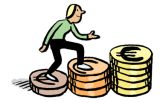
The idea of a basic income, “an income unconditionally granted to all on an individual basis, without means test or work requirement”[1] is something that Social Justice Ireland has been…
It is possible to implement a Basic Income for artists and art workers according to Social Justice Ireland. The Think-Tank’s latest study shows that the Government could honour its commitment…
Today, 3rd December, is International Day of Persons with Disabilities. Census figures suggests that 13.5 per cent of the population, or 643,121 people, experience disability. This represented…
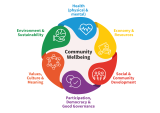
In the Programme for Government, published last year, the Government committed that its "overriding focus is to improve the wellbeing of the Irish people and society". Part of that commitment was the…
When the Public Participation Networks were established in 2014, one of the areas they were tasked with was “going through a process to set out what they consider necessary to promote well-being for…