On Wednesday, 17th November 2021, Social Justice Ireland held our Annual Social Policy Conference. This year's Conference was on the theme 'Social Rights for All? Delivering the…
Today, 19th November 2021, will mark Ireland's first Adult Safeguarding Day. According to Safeguarding Ireland, an organisation which promotes safeguarding of vulnerable adults to protect them from…
The UN Climate Change Conference, COP26 comes to a close this week. However, for those involved in achieving the climate action goals of COP26, the work continues.Communities are working together to…
As at Census 2016, there were a reported 635,567 over 65s in Ireland [1]. This is projected to have increased to over 740,000 by 2021 [2], or almost 15 per cent of the population. Planning…
Our pre-budget submission, 'Budget Choices 2022' contains detailed, fully-costed Budgetary packages across more than a dozen policy areas including health, housing, education, welfare, sustainability…
Our pre-budget submission ‘Budget Choices 2022’ outlines why expenditure will have to rise if the housing strategy, the climate change strategy and the revised national development plan are to…
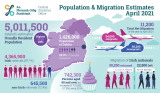
The latest release from the Central Statistics Office (CSO) indicates that Ireland's population is now over 5 million as of April 2021, the highest since 1851.While almost two thirds of the…
Government must act urgently on the White Paper on the Elimination of Direct Provision, starting with Budget 2022.
The 30th of July is World Day against Trafficking in Persons. A day designed by the UN to “raise awareness of the situation of victims of human trafficking and for the promotion and protection of their rights”.
‘Social Justice Matters Policy Brief’ is a series designed to provide independent and in-depth analysis on important social policy issues and to present policy options that should be prioritised in the coming years. In this issue we look at the importance of community and participation, at local, regional and national levels.