Social fairness and solidarity are more important than ever in the European Union if it is to meet the challenges of demographic ageing, climate change and digitalisation and deal with the aftermath of Covid-19. This is according to the latest 'Employment and Social Developments in Europe Report ‘Fairness and Solidarity in the European Social Market Economy’.
The Living Wage Technical Group has today announced that the Living Wage remains unchanged from 2020, at €12.30 per hour. The Technical Group, of which Social Justice Ireland is a member, has today published its Living Wage Annual Paper, Technical Document and Expenditure and Income Tables. Social Justice Ireland urges Government to begin the process of increasing the National Minimum Wage, which is €10.10 per hour, towards the Living Wage in Budget 2021.
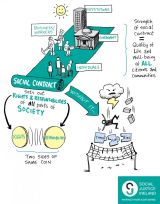
The National Economic Plan - to be published on Budget day - must give equal weight to environmental, social and economic considerations. Otherwise, this Government will simply repeat the mistakes of the past and many will be left behind. The National Economic Plan must be underpinned by a new social contract that treats our environment, society and economy equally
Ahead of Budget 2021, we examine some trends in effective income tax rates in Ireland over the last two decades.
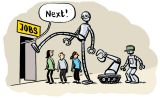
The jobs crisis precipitated by the Covid-19 health crisis looks set to be felt for years to come, with a recovery not expected until after 2021. There is a real danger that this jobs crisis will lead to an increase in poverty and exacerbate existing inequalities. The plan for Resilience and Recovery, the National Economic Plan and Budget 2021 must ensure that the jobs crisis we currently face does not turn into a social crisis.
On Wednesday, 18th November 2020 Social Justice Ireland held its Annual Social Policy Conference entitled A New Social Contract, A New Social Dialogue: Building a Better Future. This conference featured presentations by national and international experts as well as a panel discussion with representatives of the five pillars of Social Partnership. All presentations given on the day are contained within this book of conference proceedings.
The July Jobs Stimulus contains some welcome elements which have the potential to support businesses, particularly small and medium enterprises, to absorb the economic impact of Covid-19. However, it remains to be seen if the package is of the scale required to begin the process of real economic recovery for the many businesses impacted, to alleviate the financial hardship of households on reduced incomes and to secure medium-to-long-term societal wellbeing. Read our full analysis here.
The primary focus of Budget 2021 and 2022 should be on increasing employment and delivering infrastructure and services, NOT on reducing the deficit; it is crucially important that we do not repeat the mistakes made following the last crash. The new Government should outline a three-year stabilisation programme targeted at supporting incomes, restoring domestic demand, and sustaining strategic firms and institutions. This will require a change to Ireland’s fiscal stance in the years immediately ahead.
It is concerning the new Programme for Government does not mention youth unemployment or a strategy to tackle it, particularly given the manner in which young people will likely be disproportionately affected by unemployment as the economy recovers from Covid-19.
The current State Pension system deprives many people who have spent their lives in caring roles of financial security in their old age. These are people society should be rewarding, not penalising. With the new Programme for Government committing to the proposed Auto Enrolment Plan, an opportunity to increase the fairness of the Irish pension system is being missed, and at a substantial financial cost.