Ireland's low unemployment rates and impressive jobs creation numbers are being recorded in the context of a far lower participation rate than Ireland has had in the recent past. In addition we face challenges in relation to precarious work and low paid employment. Read Social Justice Ireland's Election Briefing on Work for an outline of a number of key challenges and some policy proposals that should be in the next Programme for Government.
What are the ten trends shaping the future of work? How are these trends transforming what people do for a living; how they do it; what skills they need; where they perform their work; how work relations are structured; and how work is organised, distributed and rewarded?
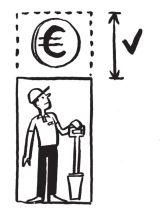
Low pay is a big problem for Irish society. As we have continuously pointed out, that that more than 100,000 people in Ireland who have a paid job are living in poverty. These are the “working poor”. The best way to ensure that people working full-time can earn enough to afford a decent standard of living is to move the Minimum Wage closer to the Living Wage.
Behind the headline jobs numbers, trends in Ireland's labour force participation tell some interesting stories.
Under-employment remains high at 113,000. This spare economic capacity might, at a practical level, mean that thousands are struggling financially. It also suggests that we are further from full employment than first glances at headline numbers would have us believe. These people could, along with some other categories, conceivably swell true unemployment numbers by more than 180%.
The negative impact on rural towns and communities from the potential fallout from Brexit is receiving welcome attention at present. But what about the other threat to rural Ireland and regional development - the impact that automation and robotics will have on employment across the regions? This issue should be front and centre as Government rolls out the Climate Action Plan and the National Development Plan.
Social Justice Ireland welcomed the launch by Minister Michael Ring, Minister for Rural and Community Development, of the National Social Enterprise Policy yesterday (18th July 2019). We, with others in the Community and Voluntary Pillar, have advocated for the introduction of such a Policy for a long time and we look forward to working with the Department of Rural and Community Development and other stakeholders on its implementation.
Employment numbers have been a major “good news story” in Ireland’s economic recovery and Budget 2020 is an opportunity to take steps to ensure these positive trends continue. Social Justice Ireland has, in our recently launched Budget Choices 2020 submission, identified a number of areas for investment.
Social Justice Ireland wishes our newly elected MEPs every success. This is a pivotal time for the future of the European Union and MEPs play a key role in ensuring that social and environmental sustainability and the Sustainable Development Goals are at the heart of Europe's future. To this end we have formulated Five Key Policy Asks for our MEPs in conjunction with Trocaire. They are: The Elimination of Poverty The Championing of Climate Justice Policy Coherence on the SDGs Delivery on the European Pillar of Social Rights Supporting an international treaty on Business and Human Rights
The current Local Property Tax system in Ireland is regressive. It encourages land hoarding and speculation, while dis-incentivising necessary development, such as building more homes in a housing crisis and retrofitting some of the 230,650 homes with the lowest energy efficiency ratings. In the 7th episode in the SJI's Ten Minute Lessons series, Colette Bennett, Research and Policy Analyst, provides an overview of what the Site Value Tax is, how it works and why it is fairer than the current Local Property Tax system. Tune in on iTunes, Spotify, Podcast Republic or wherever you get your podcasts. Or download direct from our website.