Technological change is coming whether we like it or not. The question is are we doing enough to prepare for it? More specifically are we doing enough to support those workers who will be most impacted by the changes that are on the horizon?
Minister Seán Canney TD, Minister for State in the Department of Rural and Community Development, yesterday launched the 2018 Annual Report of the Public Participation Networks (PPNs). The PPNs are an independent network of community organisations, established in every Local Authority area, which supports meaningful democratic participation in their communities. Social Justice Ireland were delighted to support the Department in drafting the 2018 Annual Report which provides detail on the huge body of work undertaken by each of the PPNs on behalf of almost 15,000 member organisations.
A report published by the CSO in July 2019 found that 17.7% of people in Ireland faced some form of discrimination in the 2 years prior to interview - that’s 859,689 people. Ireland committed to end racial discrimination when it ratified the United Nations Convention on the Elimination of all forms of Racial Discrimination in 2000. However, as this latest data show, we have some way to go.
Social Justice Ireland is seriously concerned that Government is not planning sufficiently for the changes that Ireland’s ageing population will bring. Over the coming decades there will be a steady increase in older people and people with disabilities accessing services. In Budget 2020, government must take steps to prepare for changes that will arise as Ireland's population profile changes.
Social Justice Ireland welcomed the launch by Minister Michael Ring, Minister for Rural and Community Development, of the National Social Enterprise Policy yesterday (18th July 2019). We, with others in the Community and Voluntary Pillar, have advocated for the introduction of such a Policy for a long time and we look forward to working with the Department of Rural and Community Development and other stakeholders on its implementation.
Following the official recognition of the ethnicity of Irish Travellers in 2017, the Seanad Consultation Committee sought views from a range of stakeholders to make proposals to support Travellers’ full equality post-ethnicity; and to make recommendations on the way forward.
The European Commission against Racism and Intolerance (ECRI) this week published its fifth monitoring report on Ireland. In it, the ECRI point to a number of improvements since its previous report was published in 2012, such as the establishment of the Irish Human Rights and Equality Commission, the recognition of Travellers as an ethnicity, and the revised Migrant Integration Strategy, however problems of racism persist particularly for Travellers and those asylum seekers living in Direct Provision centres.
Social Justice Ireland wishes our newly elected MEPs every success. This is a pivotal time for the future of the European Union and MEPs play a key role in ensuring that social and environmental sustainability and the Sustainable Development Goals are at the heart of Europe's future. To this end we have formulated Five Key Policy Asks for our MEPs in conjunction with Trocaire. They are: The Elimination of Poverty The Championing of Climate Justice Policy Coherence on the SDGs Delivery on the European Pillar of Social Rights Supporting an international treaty on Business and Human Rights
The current Local Property Tax system in Ireland is regressive. It encourages land hoarding and speculation, while dis-incentivising necessary development, such as building more homes in a housing crisis and retrofitting some of the 230,650 homes with the lowest energy efficiency ratings. In the 7th episode in the SJI's Ten Minute Lessons series, Colette Bennett, Research and Policy Analyst, provides an overview of what the Site Value Tax is, how it works and why it is fairer than the current Local Property Tax system. Tune in on iTunes, Spotify, Podcast Republic or wherever you get your podcasts. Or download direct from our website.
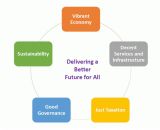
The local and European elections threw up a variety of diverse issues many of which seem to be at odds with each other. Concerns among voters about the impact of climate change and about the future of agriculture and livelihood of farmers may seem incompatible at first glance, but yet they are both very important issues to different sectors of society. What these elections remind us is that a comprehensive policy framework is required to make progress on these issues and deliver a better future for everyone.